
How do you get good at pool?
Build the skills in order: alignment and a straight stroke, reliable center-ball potting, stop/follow/draw control, speed control, patterns, safeties and pressure. Practice one weakness with a fixed setup, keep score and compare the score with a later session. Unstructured games alone make progress difficult to measure.
Seven pool drills that make practice measurable
- Straight stroke and center-ball return: send the cue ball to the far cushion and back through the starting line. Score successful returns out of 10.
- Straight-in stop-shot ladder: pocket a straight object ball and stop the cue ball within one ball width of contact. Score 10 attempts.
- Stop, follow and draw control: use the same straight shot and call a target zone for the cue ball after impact.
- Speed-control landing zones: divide the table into zones and roll the cue ball into the called zone without an object ball.
- Three-ball pattern runout: place three balls in a repeatable layout, choose the order before shooting and count completed layouts out of five.
- Safety and escape drill: alternate between hiding the cue ball and making a legal escape. Record successful outcomes instead of only pocketed balls.
- Pressure test: finish with 10 called shots or one scored exam segment. Do not restart after a miss; record the true result.
A 30-minute practice plan
| Minutes | Work | Score to record |
|---|---|---|
| 5 | Straight stroke and center-ball return | Successful returns through the starting line out of 10 |
| 5 | Straight-in stop-shot ladder | Cue ball stops within one ball width out of 10 |
| 5 | Stop, follow and draw control | Target-zone finishes out of 10 |
| 5 | Speed-control landing zones | Cue ball finishes in the called zone out of 10 |
| 5 | Three-ball pattern runout | Completed layouts out of 5 |
| 5 | Safety, escape and pressure test | Successful outcomes out of 10 |
What to fix first when you keep losing racks
| What happens in games | Likely training priority | Best first drill |
|---|---|---|
| Misses on simple straight shots | Alignment, bridge and stroke delivery | Straight stroke and stop-shot ladder |
| Pots the ball but loses position | Speed and vertical-axis cue-ball control | Stop/follow/draw plus landing zones |
| Runs two balls, then gets trapped | Pattern planning | Three-ball runout |
| Attacks every low-percentage shot | Safety recognition and escapes | Safety and escape drill |
| Practices well but misses in matches | Pre-shot routine and pressure | Ten-shot pressure test |
Pool tips that matter more than trick shots
- Keep the grip relaxed enough for the cue to swing instead of being steered.
- Use a repeatable pre-shot sequence: decide, align, settle, pause and finish the stroke.
- Learn center-ball speed before relying on side spin.
- Choose position zones, not perfect cue-ball dots.
- Review misses by cause: aim, stroke, speed, route or decision.
- Practice on the same table format used for the target league or event when possible.
Why the table still matters
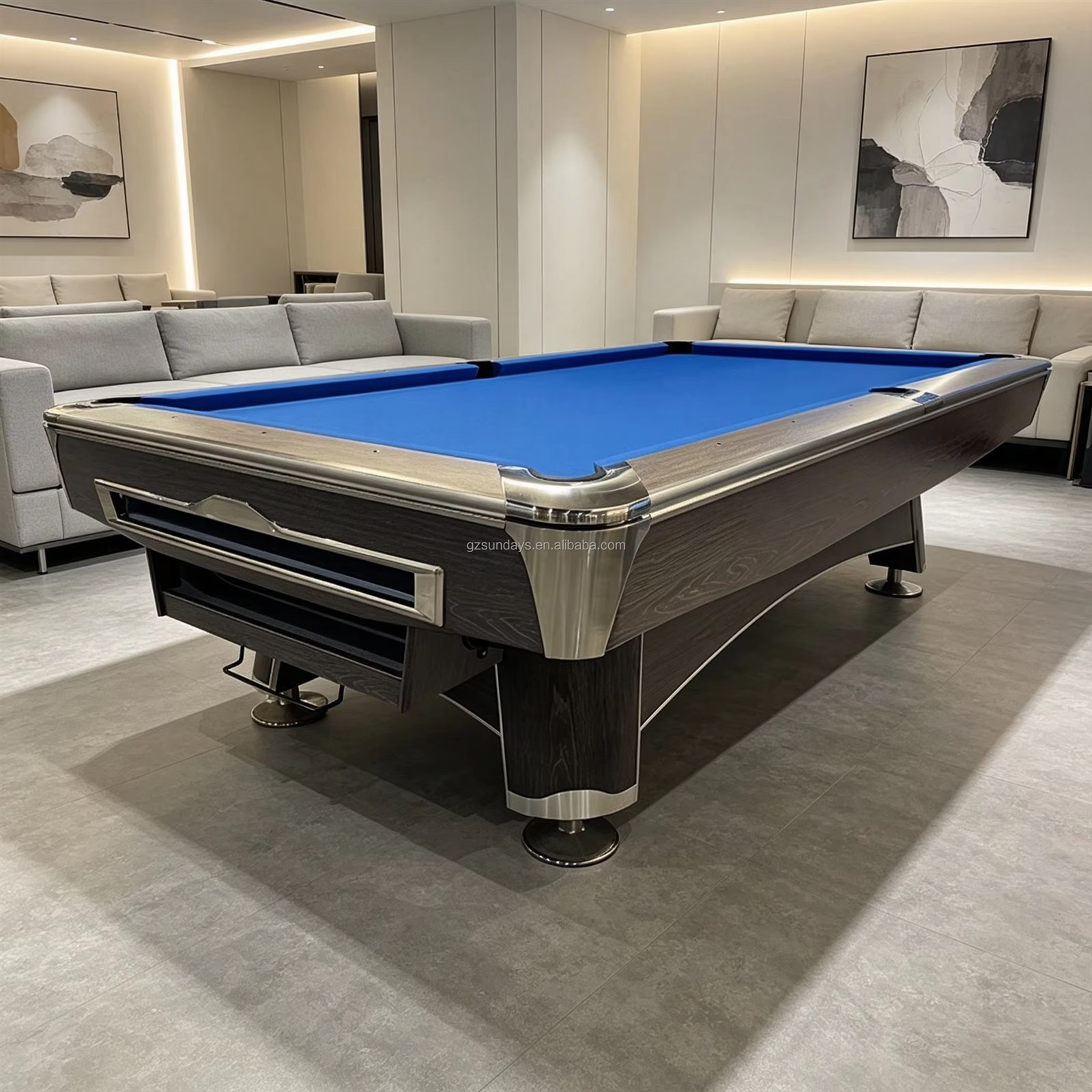
Practice quality changes when pocket geometry, cloth speed, rail response, leveling or ball condition is inconsistent. Clubs and training rooms should define the playing format first, then maintain repeatable equipment conditions. Compare American pool tables, Chinese pool and Heyball tables, billiard balls and billiard cloth by the intended game rather than by appearance alone.
Scored practice is supported; this exact schedule is a Sundays synthesis
- Billiard University Playing Ability Exams — structured, scored assessments for fundamentals and game skills.
- PBIA Instructor Manual — instructor guidance on observation, prioritization, drills and training plans.
- World Pool-Billiard Association rules library — current rules and equipment terminology.
- Sundays research and corrections policy.
Reviewed 2026-11-10. The 30-minute schedule is an original planning framework, not an official PBIA or Billiard University exam and not a promise of a specific skill gain.