
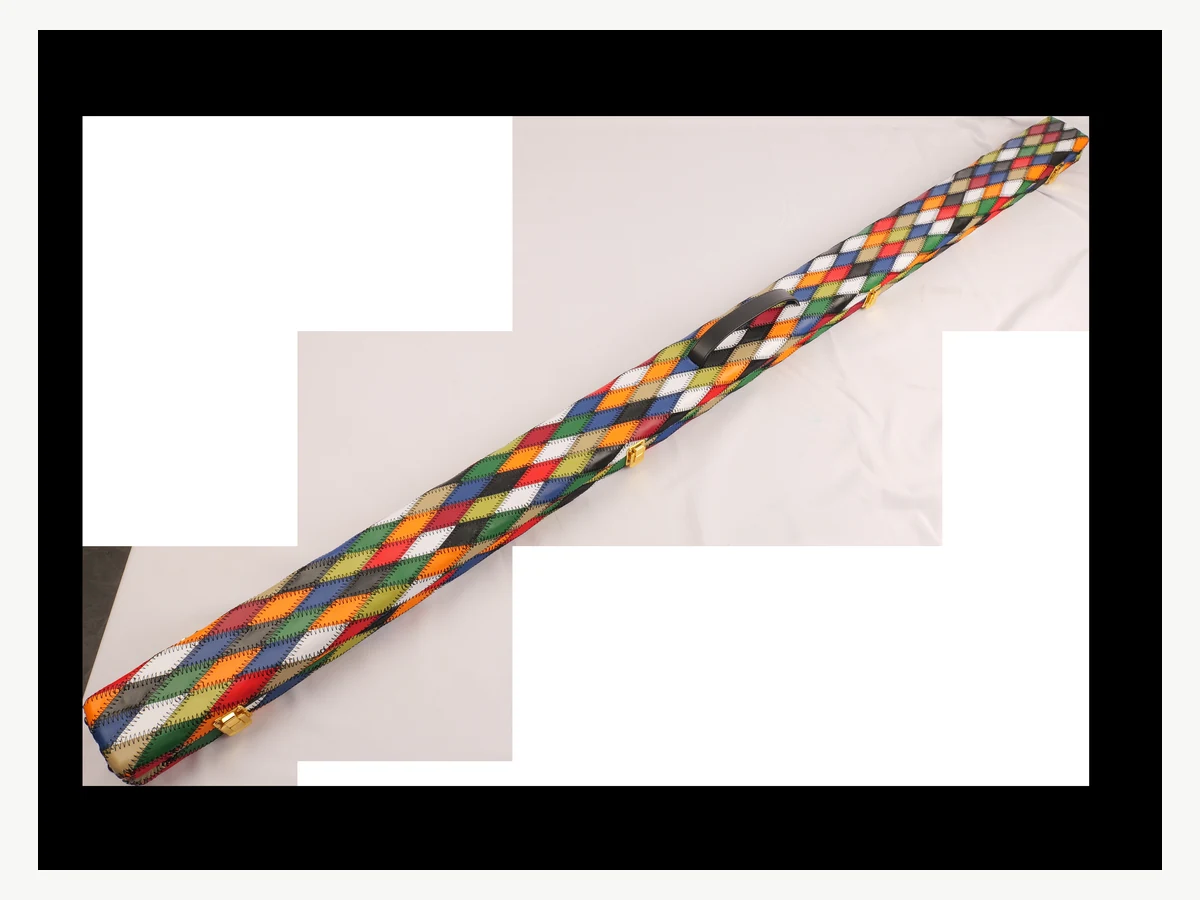
Pool Cue Case Buying Guide: Capacity, Protection and Travel
Choose a cue case by the exact butt-and-shaft count, longest component, protection level and travel pattern. Exterior styling matters only after the case fits the cue, protects joints and tips, and can be packed or carried safely.
Compare the practical options
| Hard or aluminum case | Higher crush and impact protection; check interior restraint and weight |
|---|---|
| Soft case | Lighter and easier to carry; protection depends on padding and structure |
| Dealer assortment | Separate capacities and construction clearly instead of changing only colors |
Specification checklist
- Cue butt and shaft capacity
- Internal usable length and joint clearance
- Tip, ferrule and joint protection
- Pocket size for extensions, chalk and tools
- Handle, strap, zipper or latch construction
- Carton quantity and export packing
The mistake buyers should avoid
Buying by exterior length alone can leave the interior too short or allow cue sections to move. A “2×4” label should be confirmed as two butts and four shafts, with the exact internal layout shown.
Build a comparable supplier request
Send the exact use case, required quantity, destination, preferred specification, branding, packing and required date. Ask the supplier to separate standard features from options and to identify every value that still needs approval.
For wholesale programs, request one named specification for each functional variant. Do not create duplicate catalogue records by changing only color words. Keep the approved sample, quotation and packing record linked to the same product name.
Browse the related product range: Cue and accessory buying center →
Evidence boundary
This original buyer guide is based on the reviewed Sundays product records and common procurement fields. Final compatibility, performance, materials, dimensions, MOQ, price, packing and delivery are confirmed in the written quotation.
Reviewed November 16, 2026.