
Quick answer: choose for the use case, not the material label
A solid-wood slate table is commonly positioned for clubs, premium homes and long-term installations where playing stability, repair access and furniture finish matter. An MDF table can suit lighter-use rooms, entry ranges or multi-game furniture where lower weight and simpler delivery are priorities.
Neither label is enough for a purchase decision. “Solid wood” does not automatically prove the internal frame, and “MDF” does not tell you the top thickness, support grid or moisture protection. Request a model-specific drawing and material schedule.
Compare the playing surface separately from the cabinet
The cabinet and the playing surface perform different jobs. A pool table may use a wood cabinet with a slate playing surface, while another uses MDF for both the cabinet and the bed. Ask the supplier to name each material separately.
For a slate table, confirm slate thickness, number of pieces, backing, frame support and leveling method. For an MDF-bed table, confirm board thickness, support spacing, edge sealing and the intended indoor environment.
- Playing-surface material and thickness
- Frame and cross-member construction
- Rail and cushion mounting method
- Leg structure and leveling points
Match durability questions to the venue
Commercial buyers should describe expected daily playing hours, cleaning routine, local humidity, player level and service capability. Ask how cloth, cushions, pockets, ball-return parts and leveling components are replaced.
A home buyer may prioritize appearance and room fit, while a distributor needs consistent specifications, manageable packaging and repeat-order parts. The same model is not automatically ideal for every channel.
Shipping and installation can change total value
A heavier slate table usually requires more handling and professional installation. A lighter MDF platform may reduce access difficulty, but the final decision should include expected life, playing experience and buyer positioning—not freight alone.
Compare quotations on the same scope: packages, accessories, spare parts, destination, trade term and installation responsibility. A lower factory price is not a complete landed-cost comparison.
- Packed dimensions and gross weight
- Installation and leveling responsibility
- Spare cloth, pocket and cushion availability
- Warranty reporting and replacement-part route
Use a written decision matrix before ordering
Score each proposed model against the intended game, playing hours, room, buyer tier, service plan, shipping route and target retail position. Require suppliers to identify every assumption and exclusion.
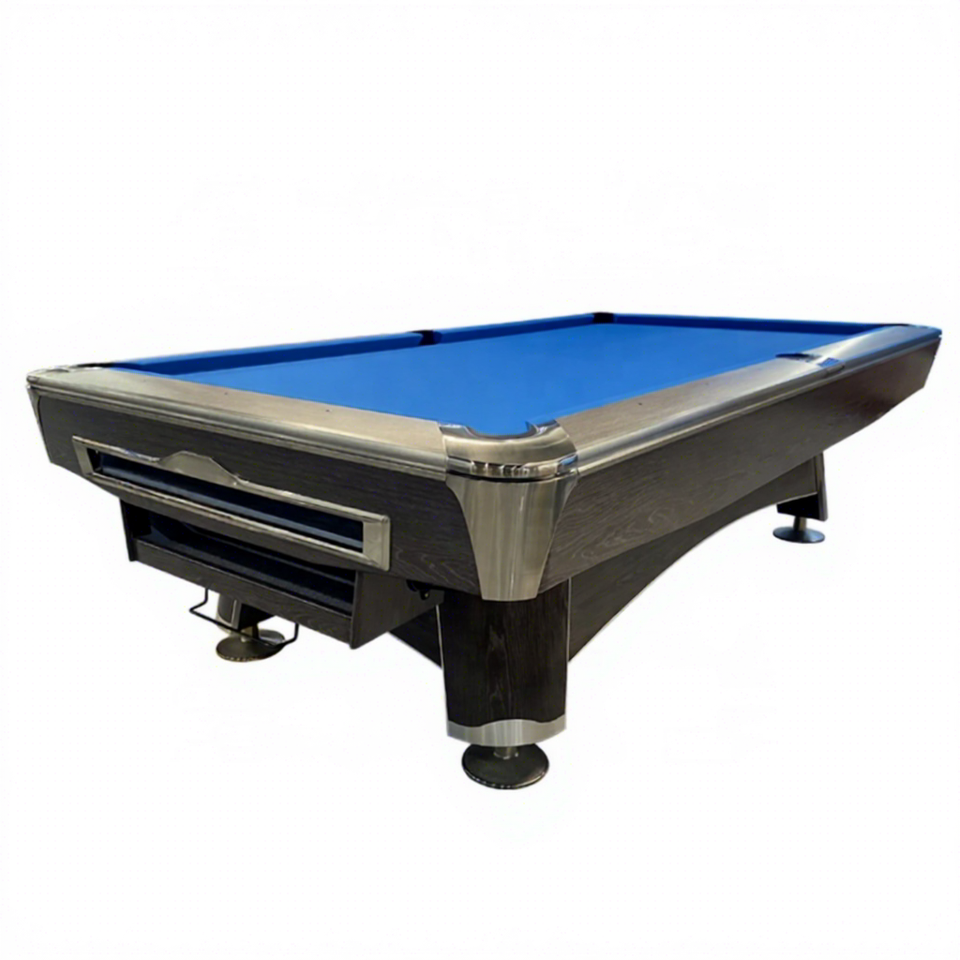
The Sundays 7G source lists solid-wood rails and legs with a three-piece 25 mm slate platform. Buyers should still confirm the final frame, cushion, pocket, cloth, finish, logo, accessories and packing for the ordered configuration.
- Intended market and price tier
- Playing surface and structure
- Service and replacement parts
- Customization and brand approval
- Landed scope and repeat-order consistency
What this page can—and cannot—confirm
Material names alone do not prove playing quality. Compare the playing bed, frame support, leveling system, joinery, moisture control and service plan together.
Reviewed 2026-10-30. Order-specific dimensions, materials, packing, MOQ and lead time require a written quotation and approved specification.